
 November 6, 2026
Jun 13, 2023
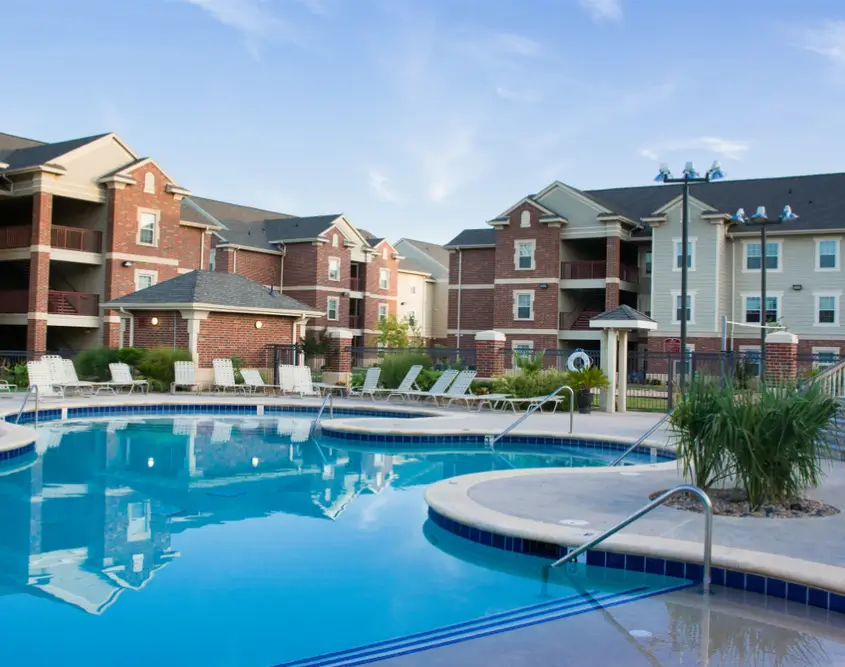
Swimming Pool Safety – What You Need to Know
Installing a new swimming pool in your backyard is a very exciting moment indeed. But before you start inviting everyone for a dip, you need to first make sure that your pool is safe to swim in.
As a responsible pool owner, it’s essential that you don’t cut corners when it comes to pool safety. In Victoria, if you don’t adhere to local safety regulations, you could get a fine that can go all the way up to $1,600. More importantly, failing to comply with safety regulations also puts you and your loved ones at a higher risk of getting hurt. Common pool injuries include drowning, slip and falls, poisoning via pool chemicals, and electrical injuries.
From your choice of pool pavers to the chlorine content of your water, there are a lot of things that you need to consider to make sure that your swimming pool and pool area is safe.
In this blog, we’re going to go over five things that you can do to keep your backyard pool safe.
Work with Reliable Pool Builders
The first thing that you need to do is to find a reliable pool builder. Experienced pool builders will have a comprehensive understanding of all relevant safety regulations in your area. They will make sure that your pool is built according to local government guidelines and acquire all the necessary building permits for you. If you’re having trouble choosing the right paver or the right pool pump, a good builder should be able to provide you with sound advice about that as well.
In Victoria, some aspects of your pool will need to be inspected by registered building surveyors or inspectors before they can be approved for use. A reputable builder will be able to help pass any safety inspections that are required by your local council.
Build a Proper Pool Fence
According to the Victorian Building Authority, all swimming pools or spas that are more than 30cm deep must have a safety barrier that is compliant with AS1926.1-1993.If you’re building a pool barrier fence, it must meet the following criteria:
- Must be at least 1.2m high
- Have a gap under the fence that does not exceed 100mm
- Horizontals must be at least 0.9m apart if the verticals are between 10mm and 100m
- Verticals must not be further apart than 10mm in all other cases
- If it meets existing fencing, it must be protected to a distance of 1.2m on the outside of the pool fence and 300mm on the inside
For the full criteria, please refer to the pool barrier fact sheet provided by the Victorian Government.
Have Rescue Equipment and a First Aid Kit Readily Available
If you have a swimming pool in your backyard, it’s important to have rescue equipment like life rings, life hooks, and rescue tubes. Such tools need to be stored in a readily accessible location and they also need to be marked clearly. This way, if need be, a person nearby can quickly access the rescue equipment and help anyone that might be in danger.
You should also have a first aid kit available near the pool so that any injuries can be treated immediately. A basic first aid kit should have:
- Crepe, triangular and elasticised bandages
- Skin tape
- Combine and non-stick dressing pads
- Disposable gloves
- Tweezers
- Antiseptic skin swabs
- Painkillers and more
Make sure that your first aid kit is placed in a safe location where the contents won’t get damaged or get wet.
Install Non-slip Pool Pavers

Use your pool long enough and your pool pavers are inevitably going to get wet. Because of this, you need to make sure that your pool-side pavers are made of non-slip material. Granite, travertine, bluestone, and limestone are some of the most popular non-slip stone pavers.
If natural stones are a bit too expensive for you, you can even add aggregate to engineered stone pavers so that the surface has a little bit of texture. Alternatively, you can also use pool mats or non-slip coatings.
Balance Pool Chemicals Properly
Certain chemicals are necessary to protect your pool water from germs. However, if you use these chemicals improperly, it can cause significant harm to the human body.
For instance, chlorine helps prevent harmful bacteria from spreading in your swimming pool. The right level of chlorine will help minimise the risk of diarrhea, skin infections and various other waterborne illnesses. However, if you have too much chlorine, it can cause lung irritation, skin damage, or eye damage. Improper chlorine levels can even provoke asthma.
Getting the right chlorine levels and getting the right pH balance in your pool water can be a delicate task indeed. One little mistake can cause a whole heap of trouble.
So, if you’re having trouble properly balancing the chemicals in your pool, be sure to contact a reliable pool specialist to help you out.
Yes, swimming pools are supposed to be fun. However, it’s important not to forget your responsibilities as a pool owner. In order to keep you and your loved ones safe, you need to do all you can to make sure that your pool follows all relevant safety regulations. Hopefully, this short guide has given you a better understanding of what it takes to keep a pool safe.
